
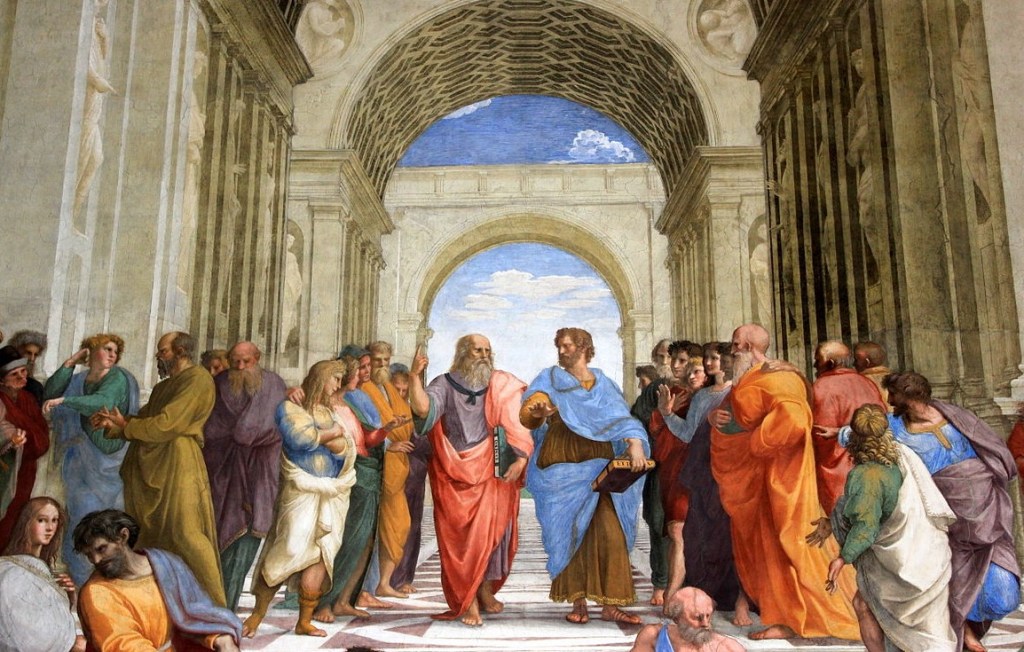
Whether you’re worldbuilding for Dungeons and Dragons, for a book, or just for fun, you’re going to create nations–and those nations need governments. In today’s world, there are only seven countries on Earth that don’t claim to be a democracy (of course, how legitimate many of those democracies are is a subject of debate elsewhere), so the democracy can be a great addition to the world you’re creating. Who doesn’t want to have a say in the way that they’re ruled?
Let’s get into it.
What is a democracy?
A democracy is loosely defined as a type of regime where citizens have the right to vote. However, the way the citizens’ votes affect policy making can vary in several ways. In a direct democracy, the citizens vote directly on issues. In a representative democracy, the public votes to elect representatives who then act on their behalf.
There are many other variants and forms of democracy such as constitutional monarchies (where a monarch holds a limited role and an elected body of representatives does the majority of policy-making) and republics (where a head of state may be chosen for a limited term), but to keep this article from getting too long and confusing we’ll just focus on the broad aspects here.
A bit of historical precedent
Real-world examples: Ancient Athens, Roman Republic, United States of America, United Kingdom
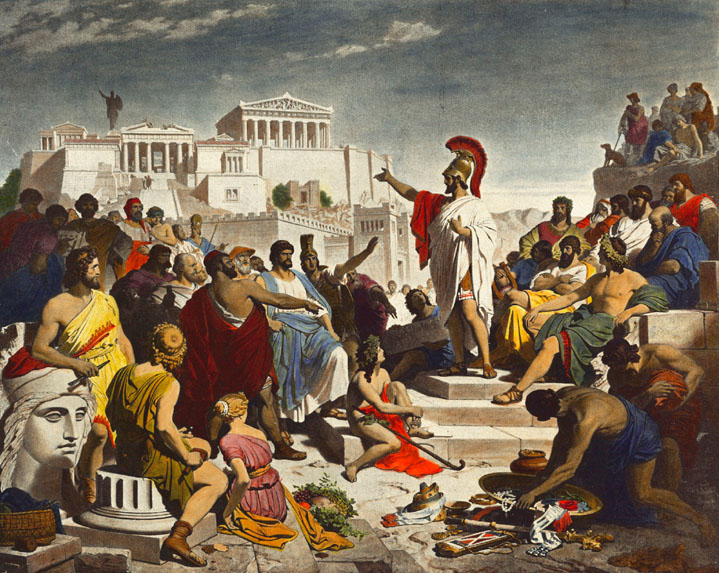
It is commonly believed that the first known democracy appeared in Athens, Greece around the 6th century BCE. However, they were fairly restrictive on who actually had the right to vote–only adult men who had completed military training. The Athenians used a system of direct democracy, but they also had a process called sortition, where eligible citizens were chosen from a lottery to take on governmental and administrative roles.
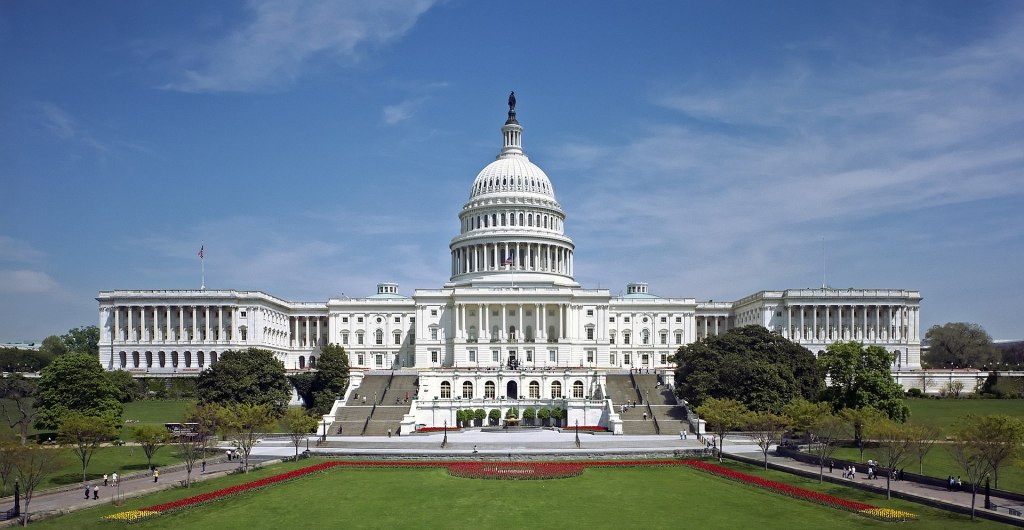
When the United States of America was created, the founders implemented a new form of democracy that was yet untried–a presidential republic. This was revolutionary in that the President would be an elected position as the head of an executive branch. The executive branch was part of a system of checks and balances also involving a legislative branch, which consisted of a Senate and House of Representatives (the members of which were also elected). In this system, the president has the autonomy to act without lots of legislative constraint–but if the president goes too rogue, the legislative branch has the power to stop them and even potentially remove them from office.
While these are just two of the most important examples of democracy throughout history, there are countless nations who have adopted this style of government in all kinds of ways. Democracy tends to be a sign of advanced society and today’s world is certainly reflective of its success and popularity.
When might you include a democracy in your worldbuilding?
While the idea of democracy has existed for millennia, democracies have become increasingly prevalent across the globe as nations become more civilized and prosperous. As such, democracies may likely appear in your own world when a civilization has progressed past a primitive “strong rules the weak” way of life. To help you consider when you might add a democracy to your world, here are a few ideas:
- A single settlement amidst a war-torn wasteland has decided to move past the barbaric culture of their surroundings and instead established a government fairly ruled by all the citizens.
- A utopian nation on an island, untouched by warfare and disease, allows every citizen to have a direct say in all major decisions made by the whole.
- A king who once held absolute power has been forced by his nobles to allow a parliament to hold his agenda in check, giving more liberty to the general populace.
Nations can be formed around the core ideals of democracy from the beginning, a democracy could arise from a revolution against a tyrannical ruler, or any other scenario you can come up with. Whenever a group of people decides that they want to have a say in how they are ruled, a democracy may be born.
The effects of a democracy
A civilization that values democracy is often a civilization that values exchanging ideas and information. Freedom of speech and expression often go hand-in-hand with a democracy, as the people need to make their voices heard. In larger and more industrial societies, mass media can take a critical role in the wellbeing of a democracy, as voters must be informed of policies and offices. When your party or readers enters a realm governed by a democracy, they may encounter the following:
- Forums, plazas, or other gathering centers. “Democracy dies in darkness,” and the freedom to communicate openly is crucial to a democratic society. These gathering places will usually be crowded with politicians, philosophers, and other public figures as well as crowds of the general public.
- Political campaign elements. Publicity is a politician’s friend, and in order to sway votes they must make themselves known to the people. Campaign posters, public service projects, and rallies are all commonplace when politicians are vying for an office.
- Governmental auditoriums. Whether these are council chambers, amphitheaters, or some other large audience hall, there must be someplace for the members of the government to convene and discuss matters of state. Perhaps these auditoriums are even open to the general public for added governmental transparency.
While the officials of a democracy are selected by the people, most members of the political sphere will likely still scheme to increase their power. This is why systems of checks and balances are necessary for a functional democracy, otherwise it may turn into an autocracy or oligarchy with nothing more than the guise of democracy. Separating governmental offices into more than one branch is an effective way to limit the power of any one person or group.
Potential Story Ideas
A democracy can play an important role in a story or campaign. Here are some ideas that you can consider for engaging your players or readers in a democracy you have created:
- Election cycle. It’s time for an important office to be filled and tensions between candidates are high. Perhaps one candidate is at risk of harm due to their radical policies, or perhaps voter fraud is rampant and the culprits must be brought to justice.
- Threat to democracy. Someone wants dominance over the government, and a democracy will not do. Through sleazy political loopholes, military takeover, or some other contrivance, they are attempting to undermine the democracy in favor of a more authoritarian form of government.
- Major vote. A crucial issue is being put to vote and the margin is razor-thin. Perhaps some key voters are on the fence and need a little bit of encouragement to make their decision.
Summary
Type of Government: Ruled by elected officials usually limited by constitutions and terms of office.
Historical Examples: Ancient Athens, Roman Republic, United States, United Kingdom
Fictional Examples: Galactic Republic (Star Wars), Unified Earth Government (Halo), United Earth (Star Trek)
Typical Features: Freedom of speech, public debate and discussion, active and frequent political campaigning
Democracies are a popular form of government due to the fact that the general populace can have more of a say in the way that they are ruled. Democratic nations can host all kinds of potential for an interesting addition to the world you are creating. While there are many forms of democracy, it ultimately all boils down to by the people, for the people.
Thanks for reading, and keep on worldbuilding!
 LegendWright
Leave a comment