
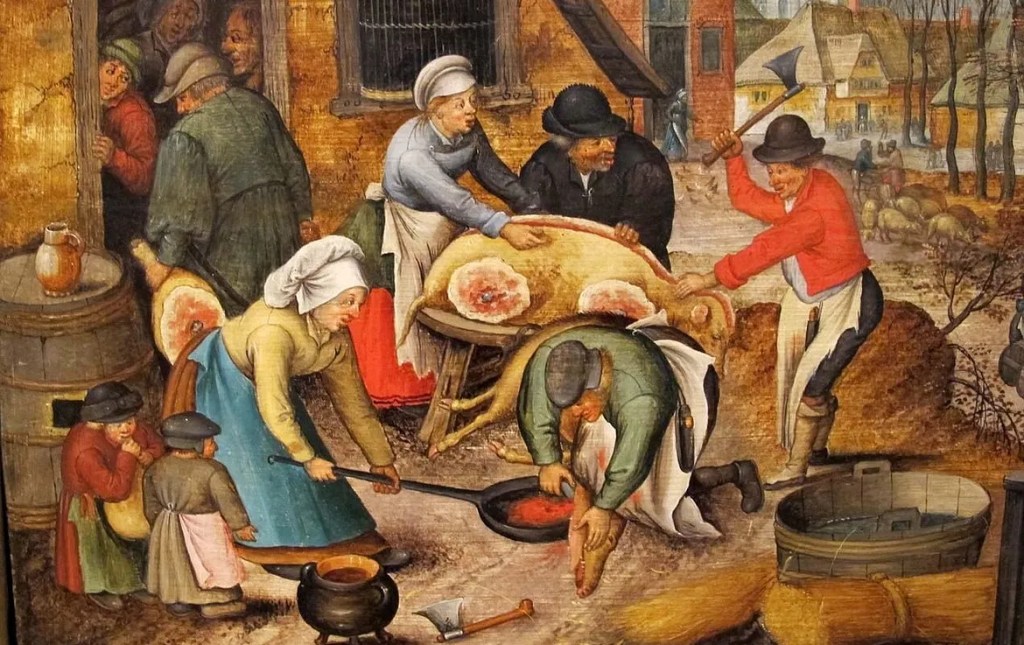
If there’s one thing the Middle Ages was not particularly known for, it was eating good. Between difficult access to quality food, frequent fasting periods, as well as the occasional famine, the average person in medieval times would be astounded by one look inside a modern supermarket. However, that’s not to say that all they ate during those times was hardtack and gruel! Depending on factors such as region and social class, there were many different types of food and beverage on offer in medieval Europe.
When you want to add a little extra detail to your worldbuilding, you may want to include some details about the types of food the people are eating. But people in a frigid, Viking-esque environment definitely aren’t going to be enjoying all the same food as people in a balmy environment based on southern Italy. Here’s a little list of food items you can include that can help make your world more believable. As a bonus at the end, I’ve used the “cost of living” framework from the Dungeons and Dragons Player’s Handbook to demonstrate what kind of food players might be presented with depending on how much money they spend on lifestyle expenses.
1. Cereals
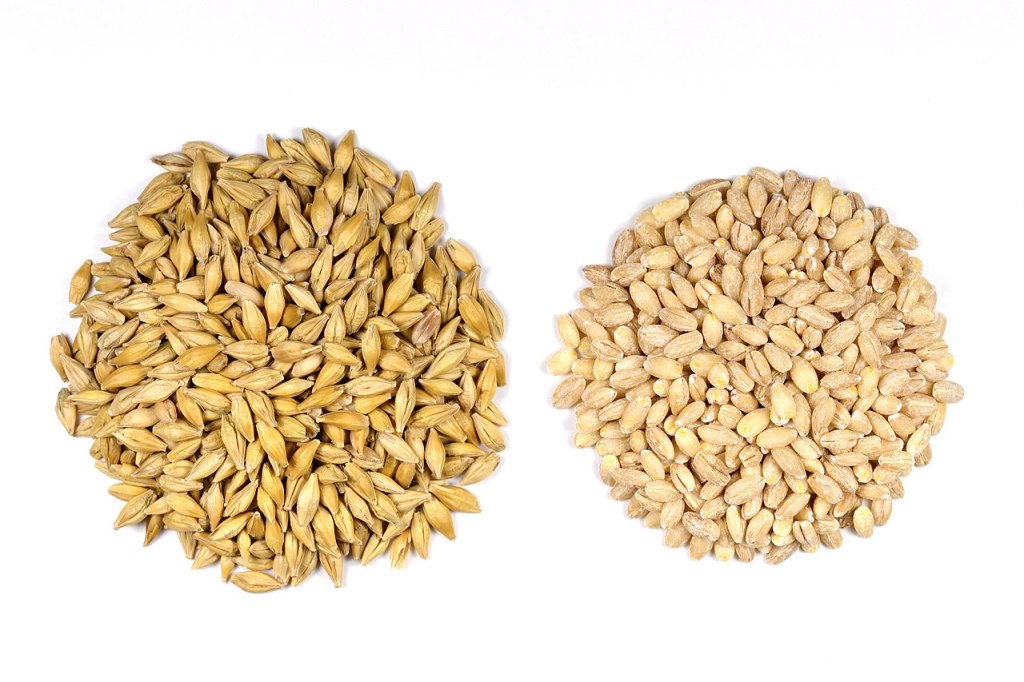
Barley, oats, and rye were staples of the average medieval European’s diet, and the wealthy were able to afford wheat.
2. Soups
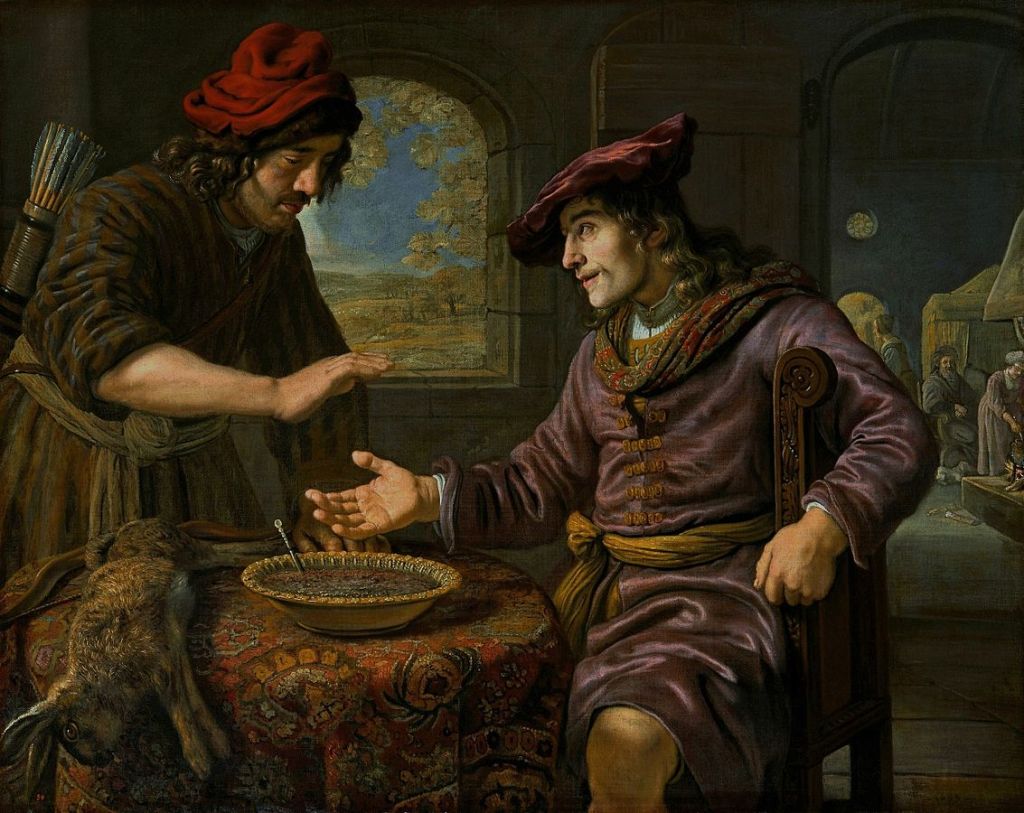
Beef or mutton generally made up the meat portion of these soups, while leeks, peas, onions, carrots, or cabbage added a vegetable element. Soups varied by region and the ingredients reflected what was grown there. France had potage, made from cabbage, onions, carrots, and peas. Gazpacho was popular in Spain, consisting of tomatoes, cucumbers, onions, and bread. A classic Eastern European soup was borscht, which was typically made from beets, cabbage, and potatoes.
3. Pork
When you think of a medieval feast, a roasted pig with an apple in its mouth might come to mind. Pork was a commonly consumed meat during the Middle Ages. It was believed by some that beef should always be boiled and pork should always be roasted.

4. Bread
Until around the 14th century, generally only the wealthier would eat bread (especially in northern regions where wheat was more difficult to grow). However, bread eventually became more accessible to the common person (though the quality of bread still varied across the social classes–darker bread for the poor and whiter bread for the wealthy). It was often used during feasts as a means of soaking up various sauces and juices.

5. Fruit
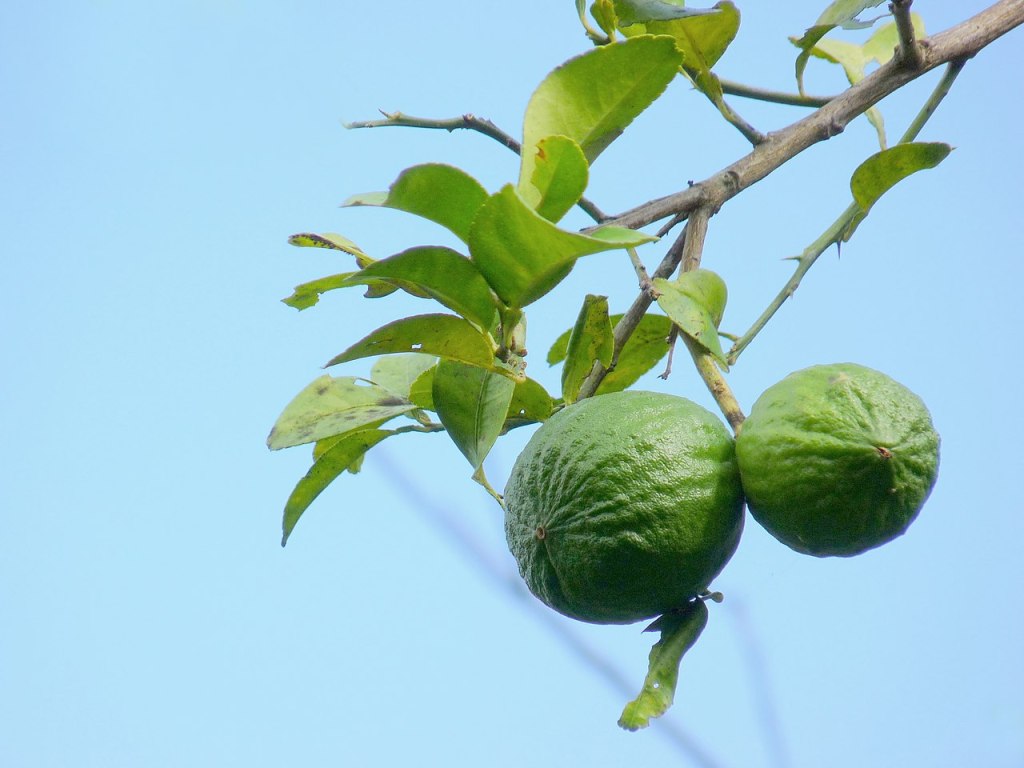
The type of fruit varied depending on region. In the warmer climate of southern Europe, fruits such as citruses, grapes, figs, and pomegranates were popular. Apples, pears, and plums were commonplace fruits in the regions further north.
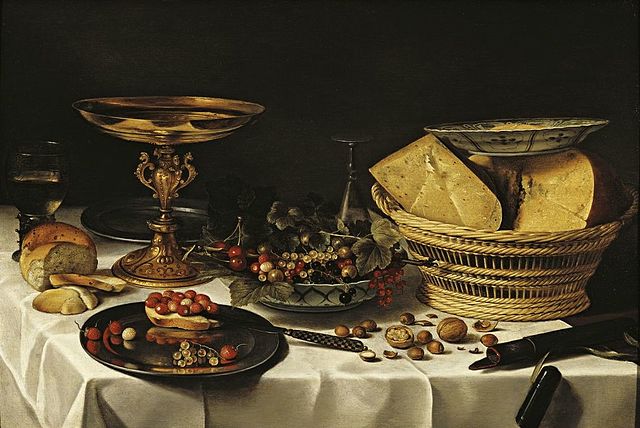
6. Cheese
Cheese was a popular food item, given that many commoners had access to milk-producing animals such as cows and goats. Brie, Roquefort, cheddar, gouda were popular in regions such as France, England, and the Netherlands. In the Mediterranean region, parmesan and feta were frequently enjoyed.
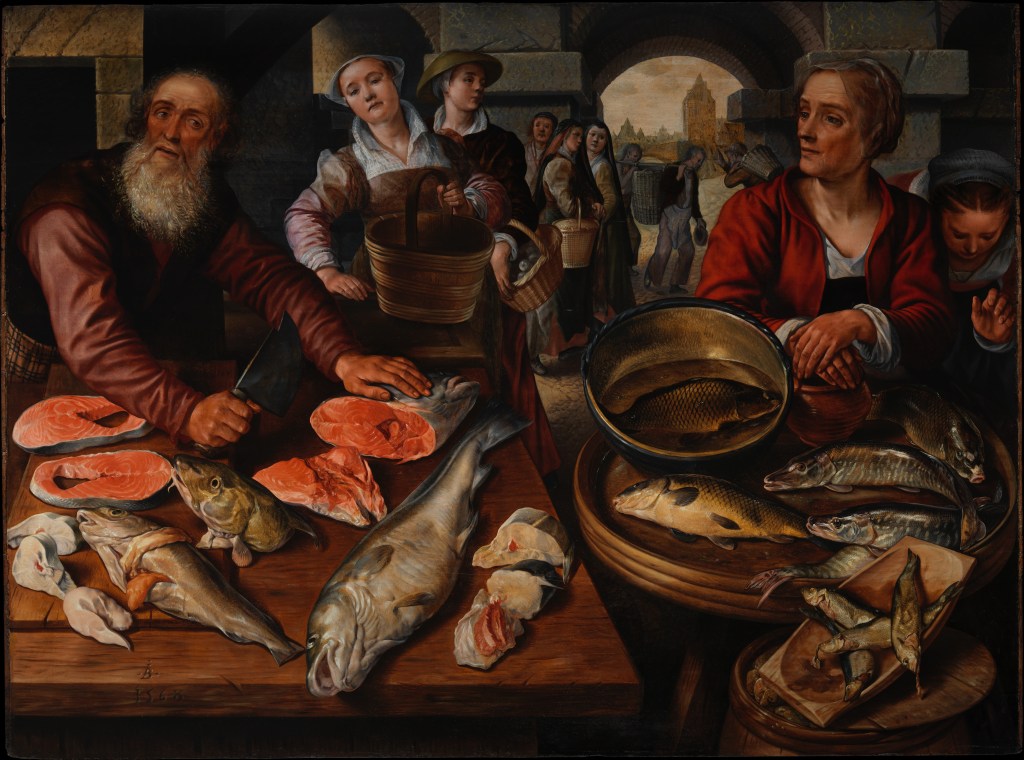
7. Fish
Particularly popular in coastal regions, fish was a common source of protein. While fresh fish was easily accessible in coastal communities, areas further inland often consumed salted fish instead. Cod, herring, and salmon were popular types of fish in northern Europe, and they were often salted or dried for preservation. Eel was often stewed or roasted, and sturgeon was a delicacy mainly consumed by the upper class. In the Mediterranean region, fish such as anchovies and sardines were frequently eaten.
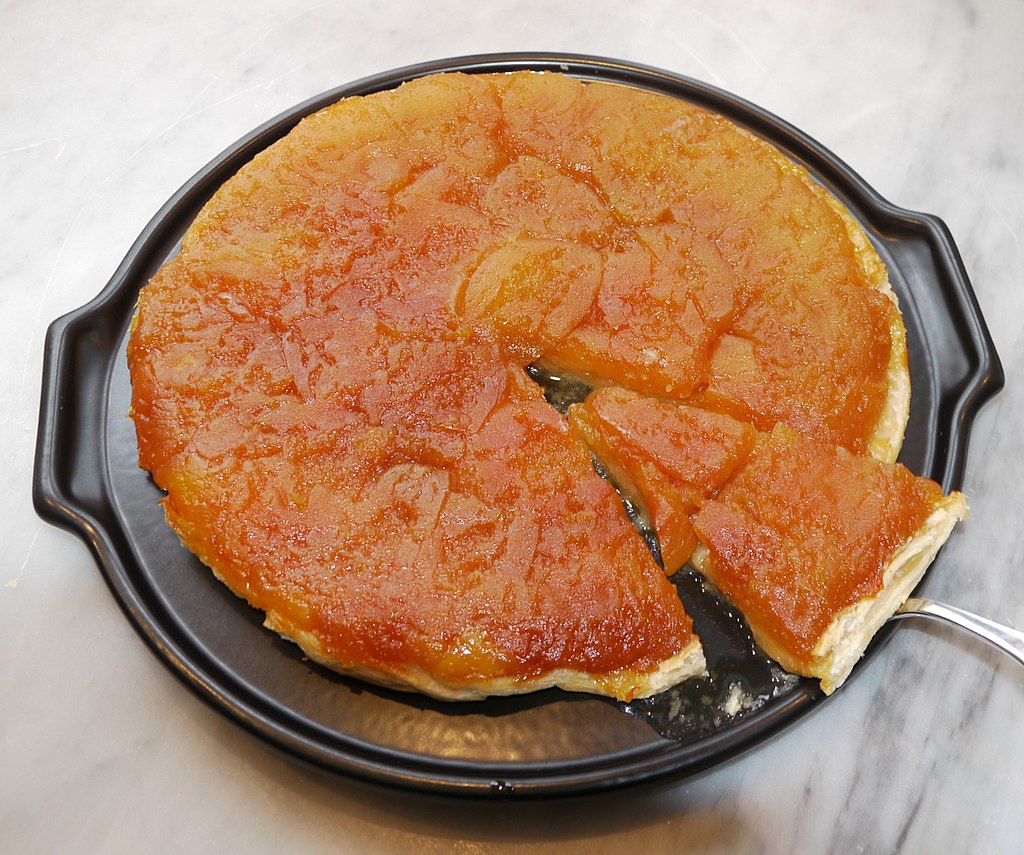
8. Apple-based products
Apples were a popular fruit and were prepared in various ways. Apples were often turned into pies or fritters, or they were baked by themselves. Applesauce was also popular. Additionally, apples were used in the creation of ciders and vinegar.
Dungeons and Dragons lifestyle expense options
Wretched: Under wretched conditions you are guaranteed no food at all, so you’re likely going to have to scrounge fruit rinds, scraps of moldy bread, or rotten meat. Otherwise, you’ll have to steal food from markets or homes.
Typical meal: rotten apple core, heel of moldy bread
Squalid: Under squalid conditions you may be able to get a bit of low-quality bread or watery soup, but you’re probably still going hungry more often than not.
Typical meal: bowl of water with two pieces of cabbage
Poor: Your access to low-quality bread and soup is a little better than under squalid conditions, but food such as apples or wheat are still far beyond reach. Under poor conditions, food is still simply a means of survival rather than something to enjoy.
Typical meal: chunk of bread
Modest: With modest conditions, your soup likely has both meat and vegetables, you can afford brown bread with some cheese, and fruit isn’t a once-in-a-lifetime luxury.
Typical meal: loaf of bread with cheese, beef stew, and an apple
Wealthy: Under wealthy conditions, you can afford fine bread created from wheat, as well as various kinds of meat and fruit. Food is a sign of status here, and the more exotic your food is, the more impressed those around you will be.
Typical meal: Fried eel, wheat bread, roast pig, pears and lemons
Aristocratic: You have access to any kind of food in the realm and many kinds of food from outside the realm as well. Delicacies are commonplace to you and your meals are generally several courses.
Typical meal: wheat bread with various cheeses, roast pig, pike, lamb stew, candied fruit and apple tarts
 LegendWright
Leave a comment